To provide global customers with high quality lifting platform products.


A Comprehensive Guide to Floor Scissor Lift Maintenance: Ensure Safety and Efficiency
Sep 22,2026
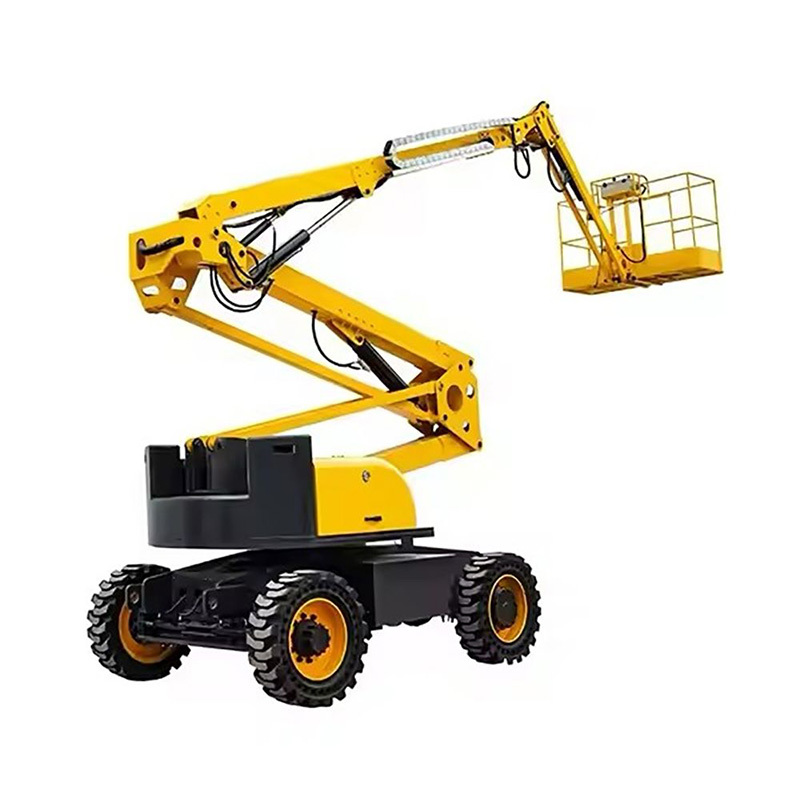
A Comprehensive Guide to Floor Scissor Lift Maintenance
Table of Contents
- 1. Introduction to Floor Scissor Lifts
- 2. Importance of Regular Maintenance
- 3. Creating a Maintenance Schedule
- 4. Common Issues and Troubleshooting
- 5. Safety Protocols During Maintenance
- 6. Expert Tips for Effective Maintenance
- 7. Conclusion
- 8. Frequently Asked Questions
1. Introduction to Floor Scissor Lifts
Floor scissor lifts are pivotal in various industries, particularly in construction, manufacturing, and warehousing. They provide a convenient platform for workers to perform tasks at height, making them indispensable for projects requiring aerial access. Understanding the intricacies of **floor scissor lift maintenance** is vital for ensuring their longevity, safety, and efficiency.
2. Importance of Regular Maintenance
Regular maintenance of floor scissor lifts is crucial not only for operational efficiency but also for safety compliance. A well-maintained lift reduces the risk of accidents, minimizes downtime, and prolongs the lifespan of the equipment. By prioritizing maintenance, companies can ensure that their personnel work in safe conditions, ultimately improving productivity.
3. Creating a Maintenance Schedule
Establishing a comprehensive maintenance schedule is essential for keeping floor scissor lifts in top condition. A structured approach can help identify potential issues early and prevent costly repairs.
3.1 Daily Checks
Every day before operation, operators should conduct several critical checks:
- **Visual Inspection**: Look for any visible damage, such as leaks, cracks, or worn-out parts.
- **Functionality Test**: Ensure all controls are responsive and functioning properly.
- **Battery Check**: Verify that the battery is charged and connections are secure.
- **Safety Devices**: Inspect all safety devices, including emergency stop buttons and guardrails.
3.2 Weekly Checks
In addition to daily checks, a weekly routine should include:
- **Lubrication**: Apply lubricant to moving parts to prevent wear and tear.
- **Inspect Tires**: Ensure that tires are in good condition and properly inflated.
- **Hydraulic System**: Check fluid levels and look for any signs of leaks.
3.3 Monthly Checks
Monthly maintenance tasks should be more comprehensive:
- **Battery Maintenance**: Clean battery terminals and check fluid levels.
- **Electrical Components**: Inspect wiring for any signs of damage or fraying.
- **Structural Integrity**: Conduct a thorough inspection of the lift structure for any signs of stress.
3.4 Annual Inspections
Annual inspections should be performed by certified professionals and include:
- **Detailed Structural Evaluation**: Check for any signs of fatigue or failure.
- **Load Testing**: Perform load tests to ensure the lift can handle its rated capacity safely.
- **Compliance Check**: Verify that the lift meets all safety regulations and manufacturer specifications.
4. Common Issues and Troubleshooting
Despite regular maintenance, issues may still arise. Here are some common problems and troubleshooting steps:
- **Lift Not Rising**: This could be due to a low battery or hydraulic fluid. Check the battery charge and inspect the hydraulic system for leaks.
- **Unusual Noises**: Grinding or squeaking sounds may indicate worn bearings or insufficient lubrication. Inspect moving parts and apply necessary lubricant.
- **Erratic Controls**: If controls are unresponsive or behave erratically, inspect the electrical connections and control panels for damage.
5. Safety Protocols During Maintenance
Safety should always be a priority during maintenance activities. Follow these protocols to ensure a safe working environment:
- **Lockout/Tagout (LOTO) Procedures**: Before starting maintenance, ensure that the lift is powered down and locked out to prevent accidental operation.
- **Personal Protective Equipment (PPE)**: Wear appropriate PPE, including hard hats, gloves, and safety goggles.
- **Authorized Personnel**: Only trained and authorized personnel should perform maintenance tasks.
6. Expert Tips for Effective Maintenance
To ensure the best outcomes during maintenance, consider these tips:
- **Keep a Maintenance Log**: Document all maintenance activities, including inspections, repairs, and any issues encountered. This log can help track performance over time.
- **Stay Informed**: Regularly update yourself on industry standards and manufacturer recommendations for maintenance.
- **Train Your Team**: Provide ongoing training for operators and maintenance personnel to ensure they are knowledgeable about the equipment.
7. Conclusion
Floor scissor lift maintenance is vital for safety, efficiency, and longevity. By adhering to a structured maintenance schedule and following best practices, companies can minimize risks, reduce downtime, and ensure their equipment operates at peak performance.
Prioritizing maintenance not only protects personnel but also enhances productivity on job sites. Investing time and resources into proper care for floor scissor lifts is an investment in the overall success of your operations.
8. Frequently Asked Questions
1. How often should I perform maintenance on a floor scissor lift?
It is recommended to conduct daily checks, weekly maintenance, and comprehensive monthly and annual inspections.
2. What are the signs that my scissor lift needs maintenance?
Signs include unusual noises, poor performance, and visible damage. Regular checks can help catch these issues early.
3. Can I perform maintenance on my scissor lift myself?
Basic checks can be performed by operators, but complex maintenance and repairs should be handled by qualified technicians.
4. What safety measures should I take during maintenance?
Always follow lockout/tagout procedures, wear appropriate personal protective equipment, and ensure only trained personnel perform maintenance tasks.
5. How can I extend the lifespan of my floor scissor lift?
Regular maintenance, proper usage, and timely repairs can significantly extend the lifespan of your equipment. Keep a detailed maintenance log for tracking purposes.
By adhering to these guidelines, you can ensure that your floor scissor lifts remain safe, efficient, and ready for use at all times.
PREVIOUS:


Request Quote
* Note: Please be sure to fill in the information accurately and keep the communication unblocked, we will get in touch with you as soon as possible